Neurofeedback for children
The brain can be trained. At home, 20 to 30 minutes a day.
Neurofeedback is training in which the brain watches its own activity and learns to work better: calmer, more focused, more persistent.
The method has been researched and used for more than 60 years, and it is trained by schoolchildren and students, parents and managers, top athletes and older people. Like any training, it builds skills that show in everyday life.
of clients renew their training
sessions completed
minutes per session
working with clients
What parents come to us with
What parents notice
Better focus
your child can stay focused longer on tasks, homework and conversations.
Less impulsivity
fewer rash reactions, interruptions and emotional outbursts.
Easier learning
remembers better, learns more easily and organises schoolwork.
Better sleep
falls asleep more easily, sleeps more calmly and wakes up more rested.
Better social skills
gets on more easily with peers and understands social situations better.
More self-confidence
feels more capable and more sure of their abilities.
How Neurofeedback Training Works
During training you watch a video while electrodes on your head follow how your brain works. When the brain works in the desired rhythm, the video plays clearly; when it wanders, the video's quality changes. The brain recognises that change as a reward and over time learns to hold the desired rhythm for longer.
Neurofeedback uses reward-based learning (operant conditioning), the mechanism underlying all learning, to create new synaptic connections and learn new patterns of functioning. Changes in the quality of the video playback represent rewards that give your brain a subtle nudge towards better functioning. These nudges, scientifically called synaptic facilitations, accumulate over time into significant and long-lasting functional improvement.
With or without a diagnosis
Every child has some difficulty with attention, calm and persistence, to a greater or lesser degree. ADHD is diagnosed when there are enough of them, and a child with three such traits has the same difficulties, only less pronounced. Training works with what you see, with or without a diagnosis.
For a child with a diagnosis, training goes alongside medical care. For specific difficulties, an individual programme is designed by Dr Giuseppe Chiarenza, child psychiatrist and neurologist, as part of a specialist analysis (€200).
What training looks like for a child
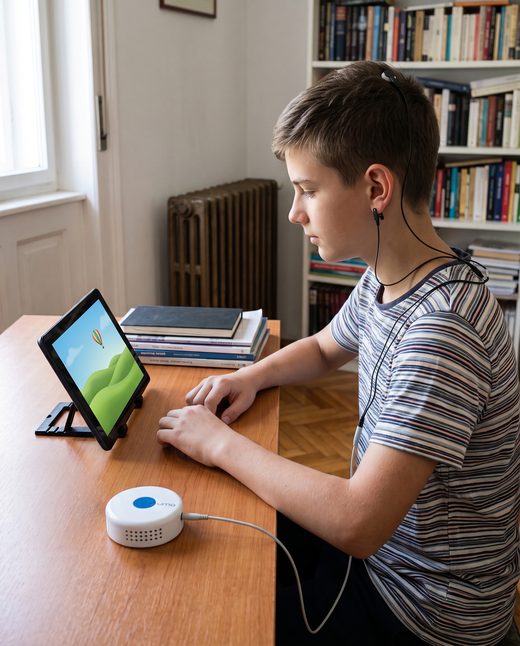
Your child watches a cartoon for 20 to 30 minutes. A parent places the electrodes, after an introductory video call with the training coach. When the brain works in the desired rhythm, the cartoon plays clearly; when the mind wanders, the picture changes. Your child doesn't need to understand it: the brain learns on its own. It's best to train when your child is rested, for example after school, before homework.
How the Umo Service Works
Umo is a subscription service: once you reach your goal, you simply return the equipment.
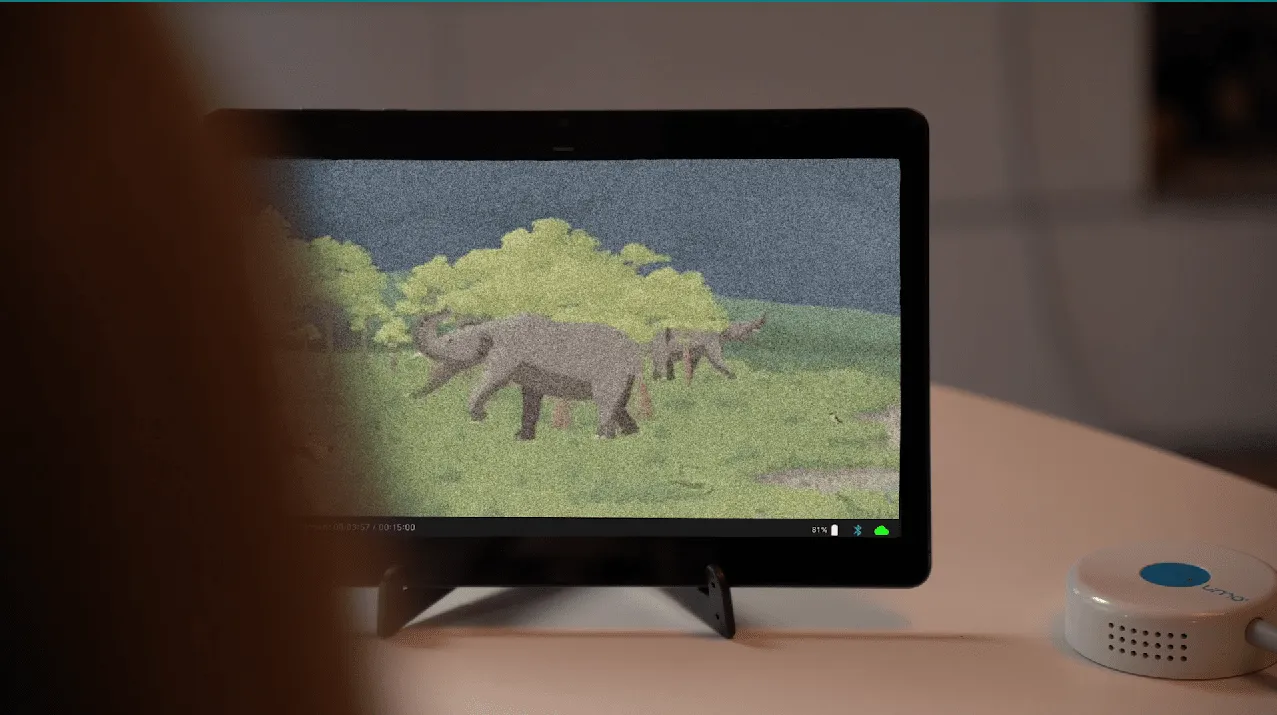
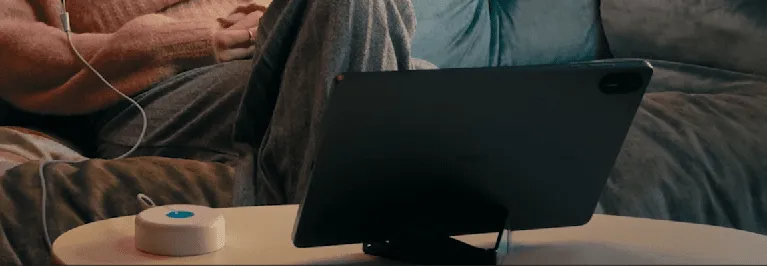
Your only job is to turn on the tablet, turn on Umo, put electrodes on your head (they only capture signals, they don't send any stimulus to your brain), and relax while watching an interesting video.
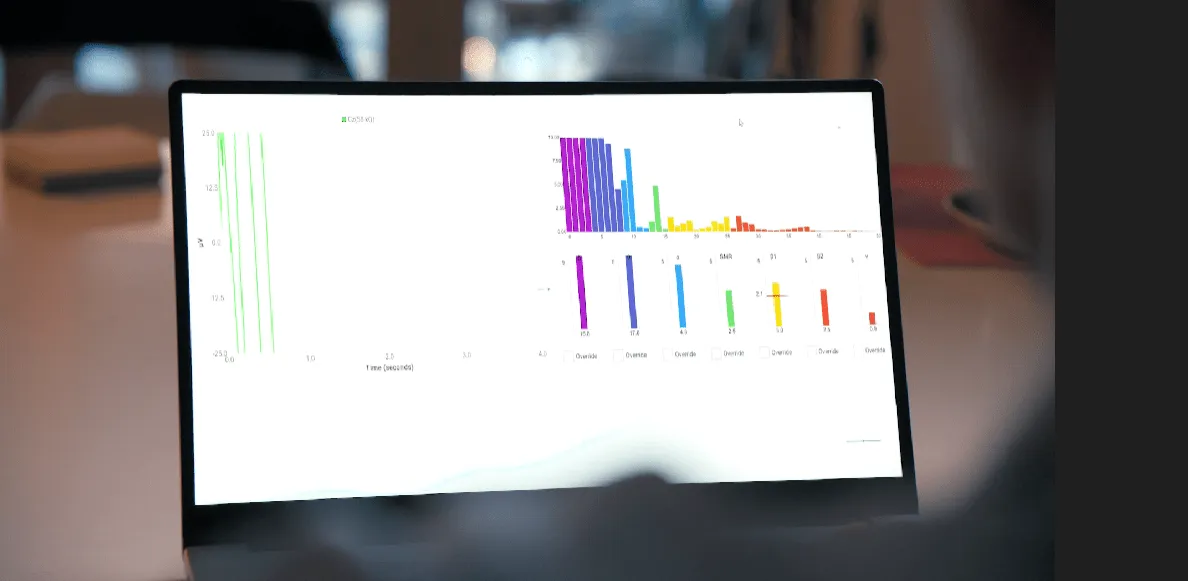
Our team monitors your data and guides your progress remotely. Training sessions last 20 to 30 minutes. You can train every day, with the occasional day off, at any time of day.
Your only job is to turn on the tablet, turn on Umo, put electrodes on your head (they only capture signals, they don't send any stimulus to your brain), and relax while watching an interesting video.
Our team monitors your data and guides your progress remotely. Training sessions last 20 to 30 minutes. You can train every day, with the occasional day off, at any time of day.
Choose training package
Receive equipment by post
Kick-off video call
Return by post
Evaluate
Train

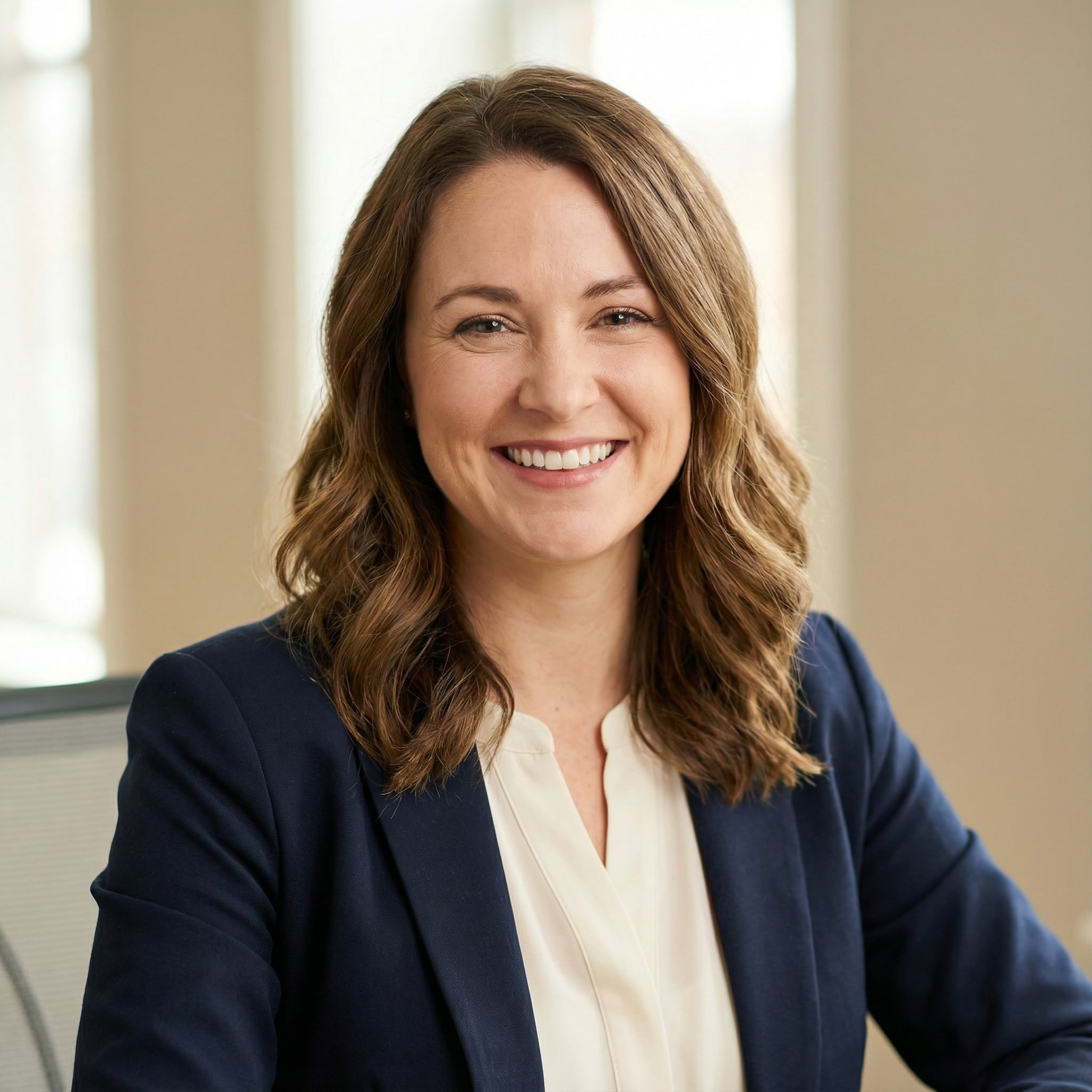

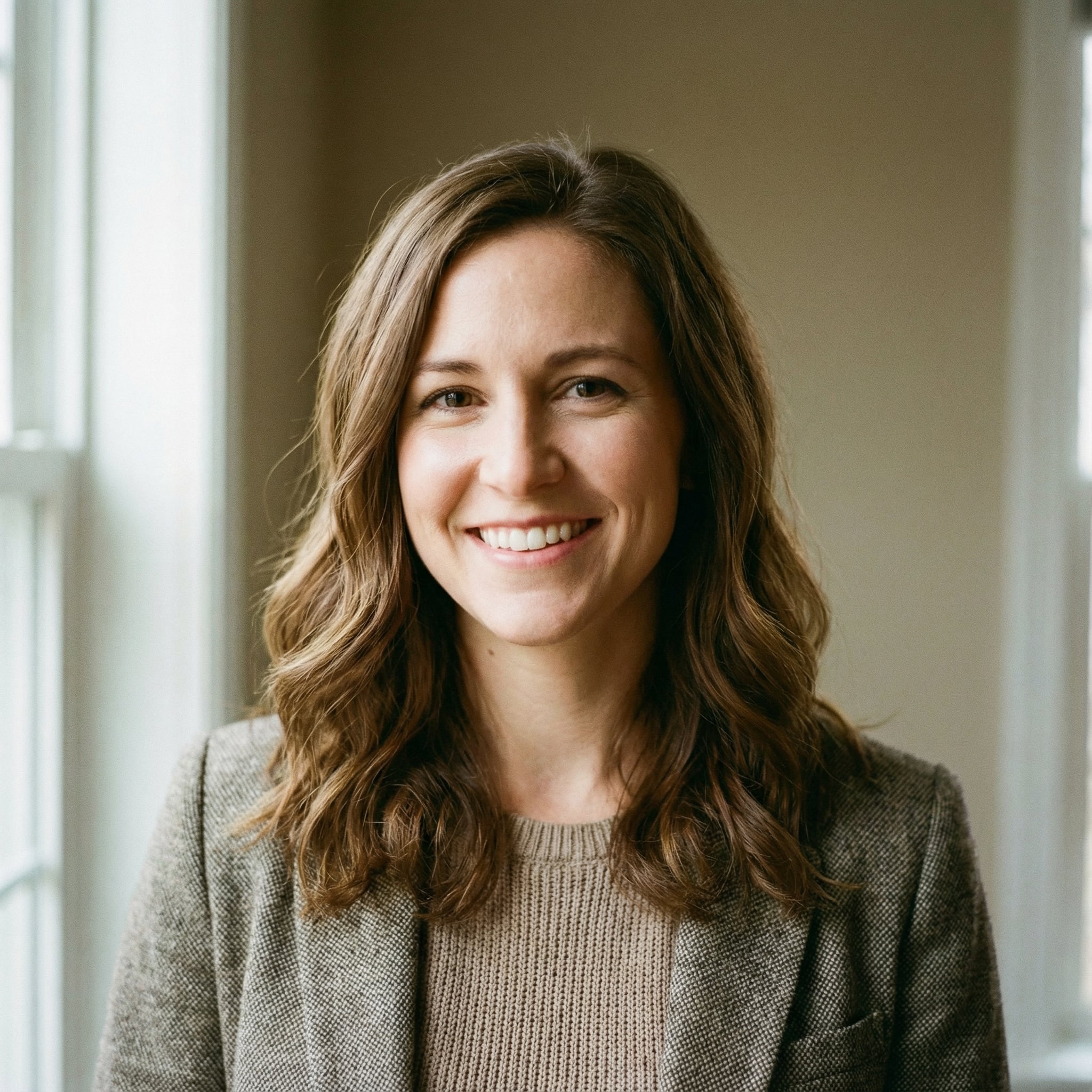

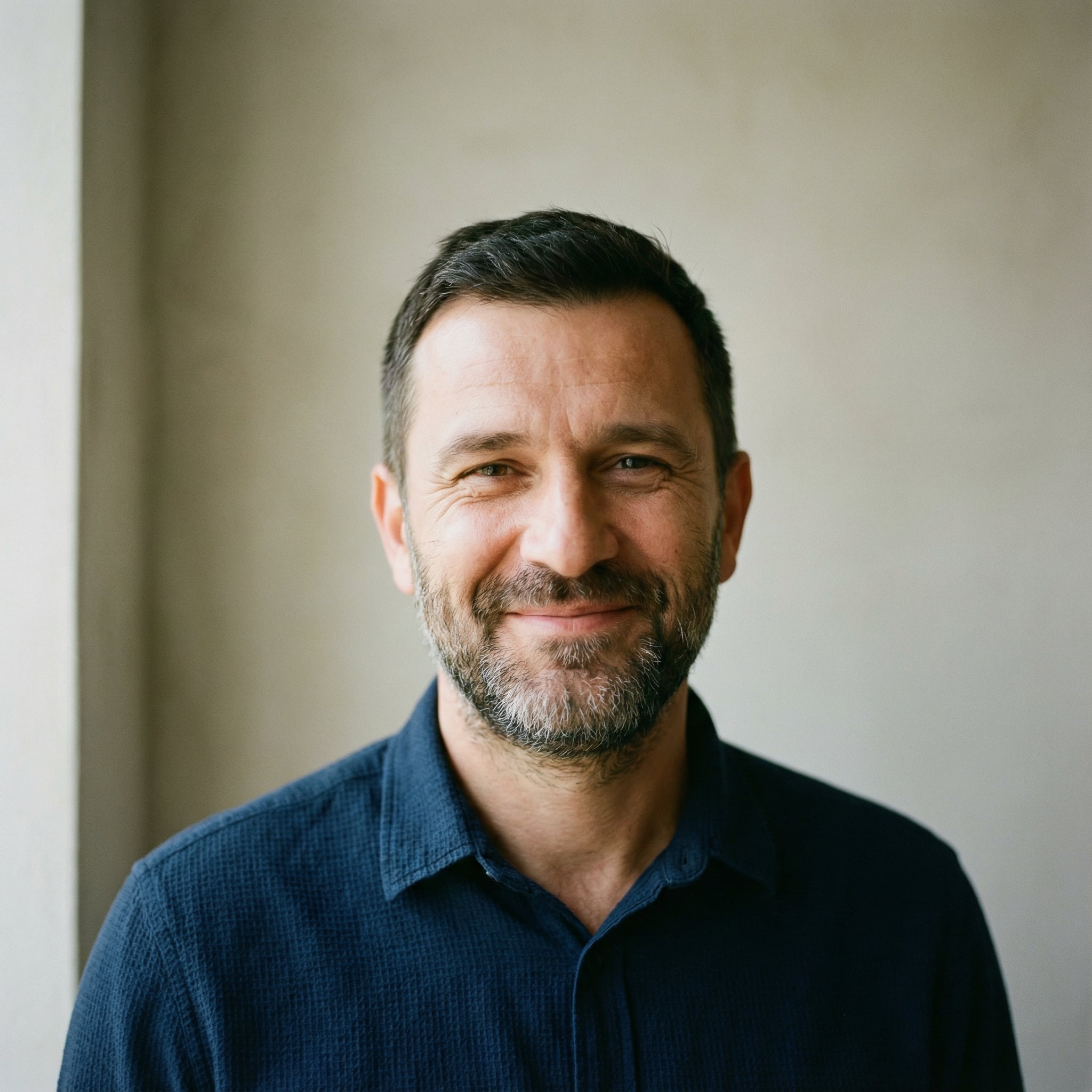


* Names and photos in testimonials have been changed to protect privacy.
Training like any other
Neurofeedback is brain training. Like any training, it builds skills: attention, calm, persistence. It is hard to prove the way a medicine is proven, because training cannot be tested “blind” and cannot be patented. The same is true of sports training: no way of training has proof like a medicine has, yet nobody doubts that training makes sense. That is why we track progress where it shows, in everyday life: how your child learns, sleeps and copes with obligations.
Professional supervision at every step
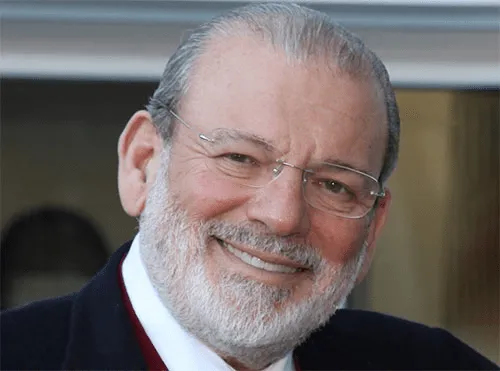
Dr. Giuseppe Chiarenza
Expert guidance
MD, child psychiatrist, neurologist and psychotherapist, BCIA-certified neurofeedback therapist, with more than 40 years of relevant experience. He designs and supervises the protocols of Umo training and, as part of the specialist analysis, creates individual protocols.
[email protected]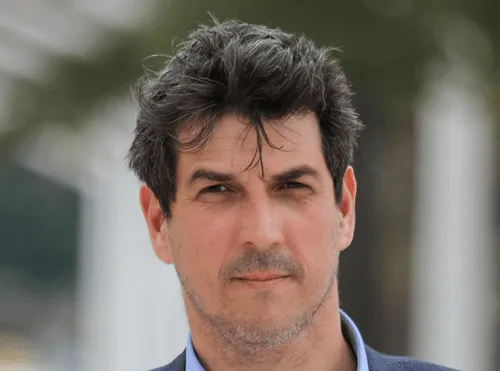
Marin Maletić
Training development and monitoring
A neuroscientist and the creator of the Umo platform. With a background in electrical engineering and the propaedeutics of psychotherapy, Marin oversees the remote monitoring and technical integration of your neurofeedback journey.
[email protected]Dr. Giuseppe Chiarenza
Expert guidance
MD, child psychiatrist, neurologist and psychotherapist, BCIA-certified neurofeedback therapist, with more than 40 years of relevant experience. He designs and supervises the protocols of Umo training and, as part of the specialist analysis, creates individual protocols.
Marin Maletić
Training development and monitoring
A neuroscientist and the creator of the Umo platform. With a background in electrical engineering and the propaedeutics of psychotherapy, Marin oversees the remote monitoring and technical integration of your neurofeedback journey.
The Umo Collective
Beyond Giuseppe and Marin, a network of specialists, psychotherapists, and performance coaches stands ready to support you. When your training requires deeper expertise or a broader perspective, the collective steps in, ensuring you are never navigating alone.
Umo partners


„It means a lot that with Umo the training is done at home, so bringing in neurofeedback doesn't add a new organisational burden for the family.“
Nataša Šunić, MSc, speech and language therapist
Parents' frequently asked questions
Training works with what you see in everyday life, so you can start without a diagnosis. If your child has a diagnosis or specific difficulties, we recommend a specialist analysis, in which Dr Giuseppe Chiarenza designs an individual programme.
From the age of three. With younger children, a parent stays with the child during training and helps them watch the cartoon calmly.
A parent places the electrodes, and the child does the training by watching a cartoon. With younger children it's good for a parent to be nearby.
Training length is individual: for children usually 20 to 30 minutes, in some cases shorter or longer. You can train every day. An occasional day off is welcome, so you can easily fit the rhythm around your daily commitments. It's best to train when your child is rested.
It differs for every child. The training coach follows progress and regularly goes through the changes you notice at home and at school with you.
The electrodes only record brain activity and send nothing into the head. Meanwhile your child watches a cartoon.
Neurofeedback is training that goes alongside treatment. You still agree diagnosis and therapy, including any change of medication, with your doctor.
The most common choice is 60 days for €800, which with daily training is about €13 per session. For long-term clients, with an extension of €250 a month, a session is about €8.30. The equipment is included in the price.
Send an inquiry
We will get back to you within one working day.